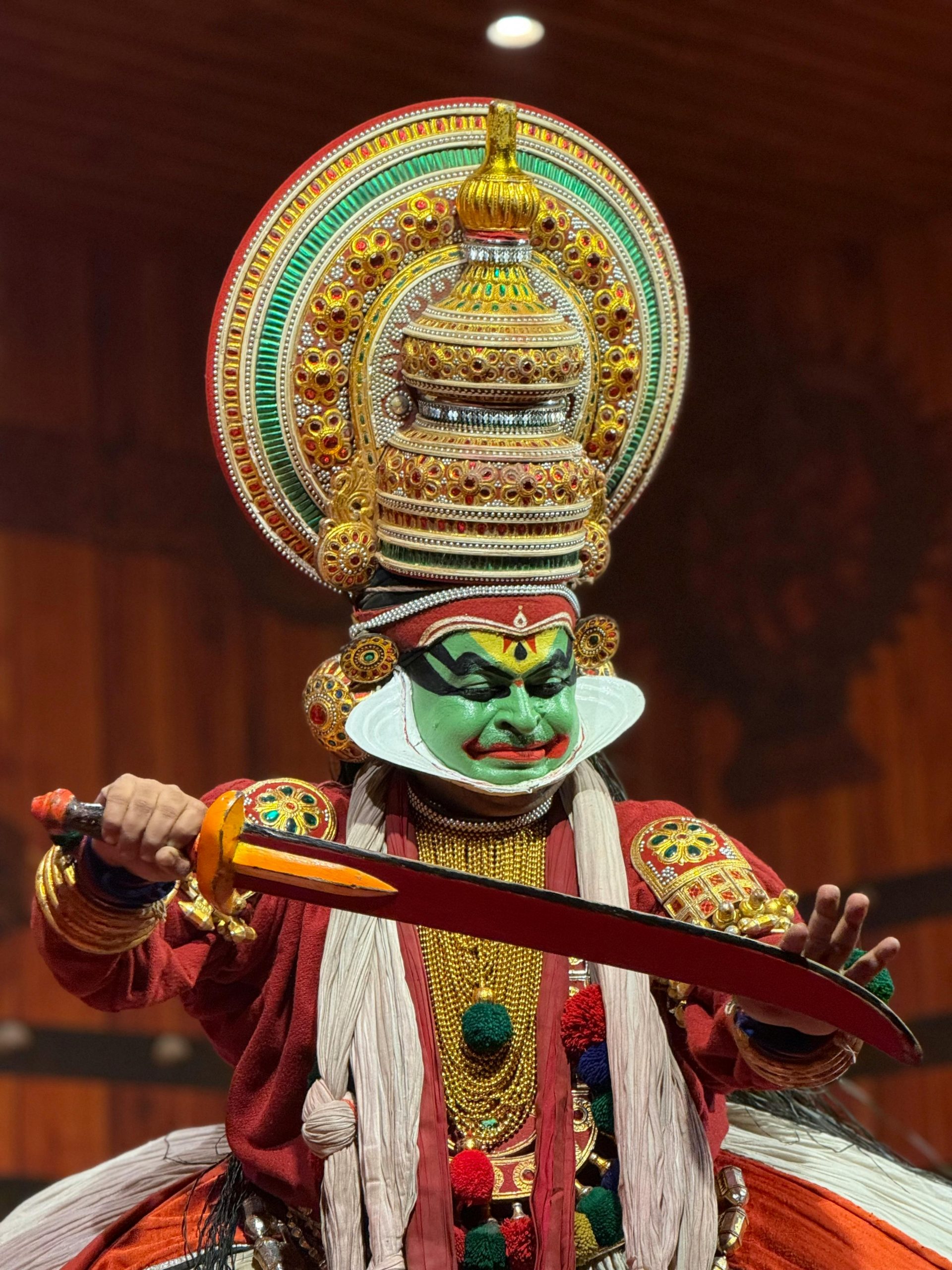
Tamil Nadu is home to some of the most revered and ancient shrines in India. When exploring Tamil Nadu temples, clothing is not just a matter of appearance—it is an essential part of temple tradition, spiritual discipline, and cultural respect. For travelers choosing India Tour Packages that include South India temples, understanding this custom enriches the entire experience.
A Sign of Respect in Sacred Spaces
Temple attire in Tamil Nadu reflects humility and devotion. Modest clothing is considered a way to show respect to the deity and the sanctity of the temple. This practice helps devotees and visitors mentally prepare for prayer and spiritual reflection.
Deeply Rooted in Temple Traditions
Most Tamilnadu temples follow ancient Agamic principles that guide rituals, architecture, and conduct. Dress codes are part of these traditions, preserved for centuries to maintain the spiritual purity of temple environments.
Comfort and Spiritual Harmony
Traditional clothing such as sarees, veshtis (dhoti), and modest salwar suits are often made from natural fabrics like cotton or silk. These materials are well suited for the climate and long temple rituals, promoting physical comfort and mental calm.
Preserving Cultural Identity
Temples are living centers of Tamil culture. Wearing traditional or modest attire helps preserve this heritage and allows visitors to experience one of the best places to visit in India in an authentic and respectful way.
Equality and Simplicity
Temple dress customs encourage simplicity and minimize social distinctions. When everyone dresses modestly, the focus remains on devotion rather than outward appearance.
A Deeper Experience for Travelers
For international and domestic travelers alike, respecting temple dress etiquette enhances cultural connection. It is often appreciated by locals and creates a more meaningful interaction with the spiritual traditions of South India temples.
Comments are closed