Birds, Tribes, and Trails of Nagaland
Duration: 8 Days
Route: Dimapur – Benreu – Khonoma – Dzuleke – Kohima – Niuland – Dimapur
Discover the untamed beauty and vibrant heritage of Nagaland on this unforgettable 8-day journey through forested hills, tribal villages, birding hotspots, and eco-conscious communities. This unique tour blends birdwatching, cultural exploration, and nature conservation for a truly transformative travel experience.
Birding Highlights
Spot rare and endemic birds such as the Blyth’s Tragopan, Great Barbet, and Amur Falcons.
Visit prime birding hotspots like Benreu, Khonoma, Dzuleke, and Niuland, offering rich avifaunal diversity for birding enthusiasts.
Cultural Immersion
Walk through Khonoma Green Village, Asia’s first green village known for its inspiring conservation efforts.
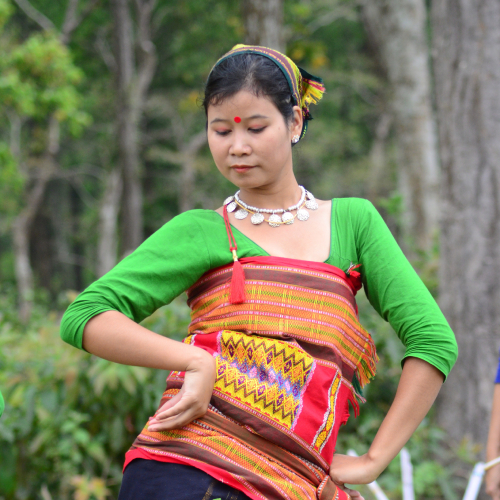
Engage with the traditions of the Western Angami Nagas through village walks, local cuisine, and heritage insights.
Natural Beauty & Landscapes
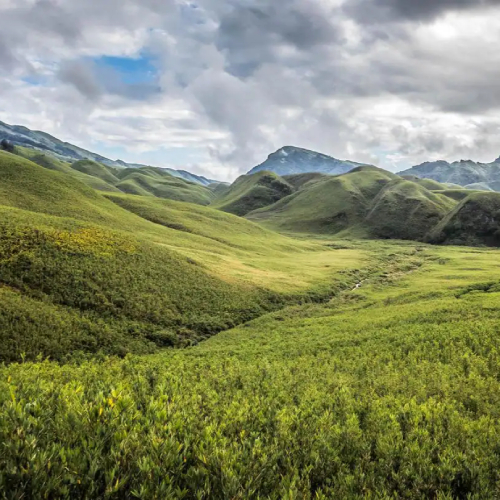
Experience scenic drives through Nagaland’s forested hills, terraced farms, and misty valleys.
Stay in eco-friendly lodges, authentic homestays, and nature-focused resorts that reflect local hospitality.
Historical & Urban Experiences
Visit Kohima’s Tribal Market and the WWII Cemetery, blending history with contemporary tribal life.
Witness the evening falcon roost spectacle in Niuland, a conservation success story of global acclaim.
Ideal for wildlife lovers, birders, culture seekers, and responsible travelers, this Nagaland tour offers a rare blend of nature, heritage, and adventure in one of India’s most biodiverse and culturally rich regions.
Day 1: Arrival at Dimapur – Transfer to Benreu
Upon arrival at Dimapur Airport, embark on a scenic 6-hour drive to Benreu, a picturesque village nestled in the Peren district. En route, marvel at Nagaland’s verdant landscapes as you transition from bustling towns to serene countryside. Though the road is generally good, a few short patches near Dzuleke may require a slower pace due to back-cutting.
On arrival, check in at the Community Lodge, where you’ll be greeted with warm hospitality and a glimpse into Naga village life. Spend the evening relaxing in this peaceful mountain retreat.
Day 2: Birding in and around Benreu
Wake up to the sounds of nature and spend the day exploring the forests and trails surrounding Benreu. This region is a haven for bird enthusiasts, with sightings of species like the Blyth’s Tragopan, Naga Wren-Babbler, and Himalayan Cutia.
The untouched natural beauty of the Peren district, combined with the vibrant local flora, provides the perfect backdrop for birding and photography. Return to the Community Lodge for another restful night.
Day 3: Morning Birding and Transfer to Khonoma
Begin the day with morning birding in Benreu before departing for Khonoma, approximately a 2-hour drive. The journey includes birding stops along the way, particularly near Dzuleke, known for its diverse avifauna.
Arrive at Khonoma, India’s first Green Village, renowned for its conservation efforts and eco-friendly practices. Check in to a charming country hotel or homestay, where you’ll enjoy a cozy stay amidst nature.
Day 4: Birding in Khonoma and Dzuleke
Dedicate the day to birding at the Khonoma Community Nature Conservation and Tragopan Sanctuary, a sanctuary established by the local community to protect wildlife. The area is home to rare species like the Blyth’s Tragopan, Great Barbet, and various warblers.
In the afternoon, visit Dzuleke, a tranquil forested area with excellent birding opportunities. The picturesque surroundings and serene trails make this a perfect spot for birdwatchers and nature lovers alike. Return to Khonoma for the night.
Day 5: Birding and Cultural Walk in Khonoma
Spend the morning birding in Khonoma’s lush surroundings, seeking species such as the Rufous-throated Partridge, Grey-sided Laughingthrush, and Chestnut-headed Tesia.
In the afternoon, embark on a village walk to delve into the rich cultural heritage of the Western Angami Nagas. Learn about their traditional customs, architecture, and the role of conservation in their daily lives. Conclude the day with an authentic Naga meal and a relaxing evening at your accommodation.
Day 6: Transfer to Kohima
After breakfast, drive for about an hour to Kohima, Nagaland’s capital city. Visit some of its most iconic landmarks, including:
Kohima Tribal Market, one of Asia’s largest, offering a vibrant mix of local produce, handwoven textiles, and traditional crafts.
Anthropological Museum, which showcases the history and culture of Nagaland’s tribes.
World War II Cemetery, a poignant memorial to the soldiers who fought in the Battle of Kohima.
Check in to De Oriental Grand or a similar property for an overnight stay.
Day 7: Kohima to Dimapur – Visit Niuland
After breakfast, embark on a 3-hour drive to Dimapur, where you’ll check in at the serene Noune Resort. Following lunch, head to Niuland, a renowned roosting site for the incredible Amur Falcons. Witness these migratory birds in large flocks, a truly mesmerizing natural spectacle.
Though the road to the roosting site includes a bumpy stretch, the sight of the falcons more than compensates. Return to Noune Resort for a peaceful night.
Day 8: Morning Birding and Departure
Start the day with early morning birding at Niuland, capturing final glimpses of the region’s stunning avian diversity. Afterward, return to the resort for breakfast and prepare for your transfer to Dimapur Airport. Depart with cherished memories of Nagaland’s breath-taking landscapes, diverse birdlife, and rich cultural heritage.


Travel in Nagaland involves scenic but slow drives due to winding roads and occasional rough patches, especially near Dzuleke and Niuland. A reliable vehicle with a local driver is essential, and a flexible schedule is recommended.
The best time to visit is from October to April, when the weather is cool and dry. Expect daytime temperatures between 15°C–25°C, with colder nights in hill regions like Benreu and Khonoma (down to 5°C). Warm layers are a must.
Accommodation includes community lodges, eco-homestays, and mid-range hotels. While village stays may be basic, they offer warm hospitality and cultural immersion. Hotels in Kohima and Dimapur provide more modern comforts.
Traditional Naga meals—featuring rice, vegetables, smoked meats, and fermented condiments—are served at most places. Vegetarian and mild food options are available if requested in advance.
Carry essential medicines and toiletries, as supplies in remote areas may be limited. The region is safe, but mobile connectivity is spotty in rural zones.
Pack binoculars, a camera, warm clothing, walking shoes, a flashlight, a water bottle, and rain gear. Be respectful of local customs—ask before taking photos, support local crafts, and choose eco-friendly stays to contribute to responsible tourism.