Gujarat Heritage: From Harappan Ruins to Royal Palaces
Duration: 11 Nights / 12 Days
Route: Ahmedabad → Palitana → Gondal → Dholavira → Little Rann of Kutch → Balaram → Ahmedabad → Champaner-Pavagadh → Ahmedabad/Vadodara
Embark on a fascinating journey through Gujarat’s rich cultural and architectural heritage, where every site tells a story of ancient civilizations, royal legacies, and spiritual devotion.
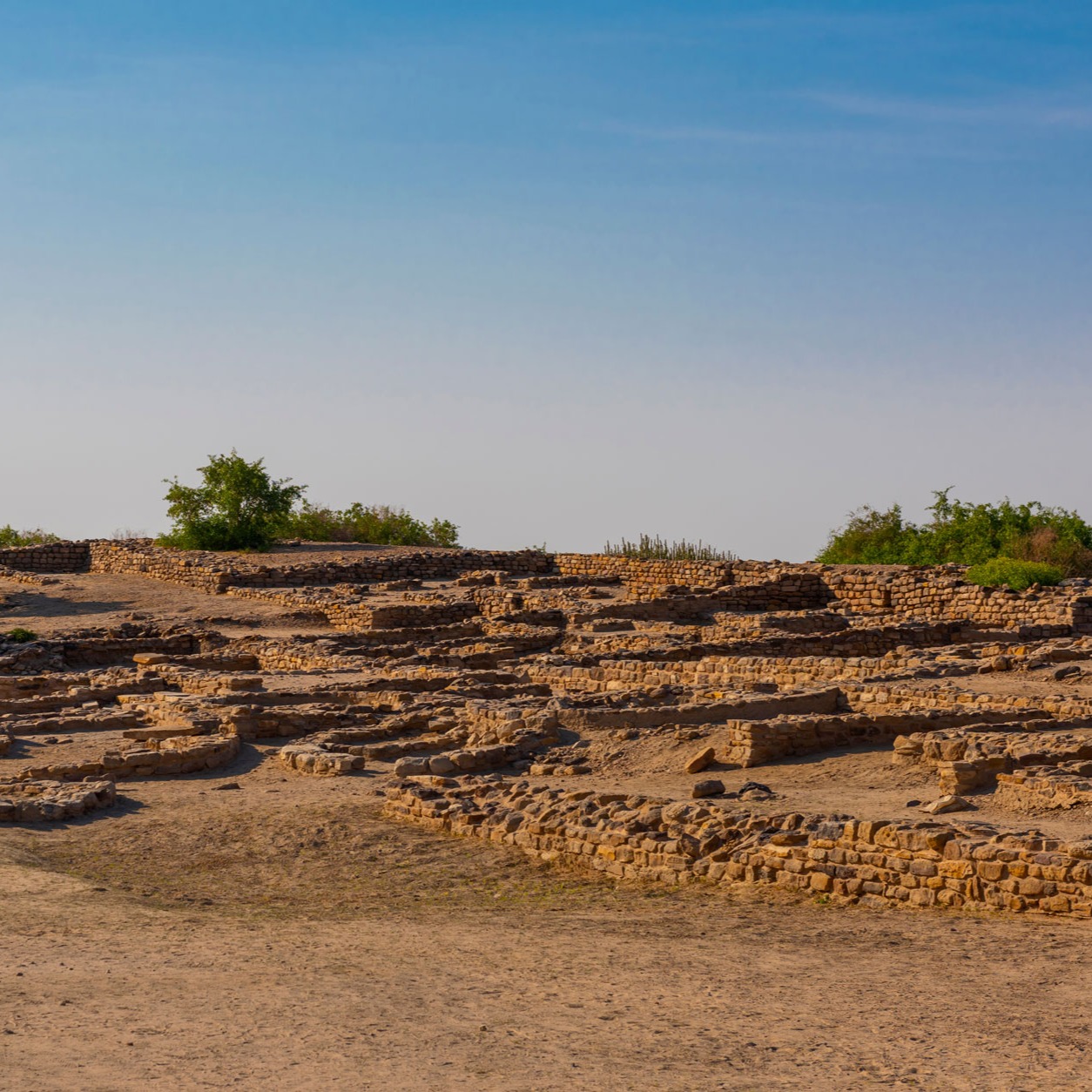
Explore the ancient Harappan cities of Dholavira and Lothal, renowned for their advanced town planning and water management systems—a testament to the brilliance of the Indus Valley Civilization.
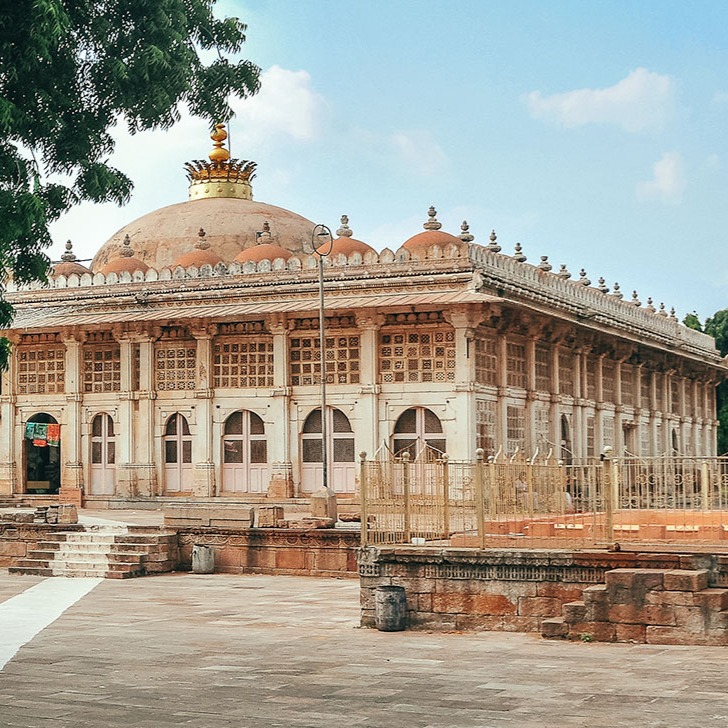
Discover the Indo-Saracenic architecture in Ahmedabad, visiting iconic landmarks like Sarkhej Roza and the intricately carved Sidi Saiyyed Mosque.
Experience Gujarat’s living heritage through the vibrant local markets, traditional havelis, and atmospheric old quarters of Ahmedabad.
Visit the sacred Jain pilgrimage sites of Palitana and Girnar, home to breathtaking hilltop temples and exquisite carvings that reflect centuries of devotion.
Witness Gujarat’s golden era of temple architecture at the 11th-century Sun Temple in Modhera, and marvel at the elaborate stepwells of Adalaj and Patan.
Dive into India’s rich textile traditions at the renowned Calico Museum of Textiles, a must-visit for art and heritage enthusiasts.
Discover royal Gujarat at Gondal and Balaram, known for their majestic palaces and regal charm.
Explore the unique ecosystem and rural charm of the Little Rann of Kutch, home to the endangered wild ass and traditional desert villages.
Visit Champaner-Pavagadh Archaeological Park, a UNESCO World Heritage Site, showcasing impressive Indo-Islamic architecture set against a dramatic hillscape.
Why Choose This Gujarat Tour?
This in-depth itinerary is ideal for travelers seeking to explore Gujarat’s historical sites, architectural wonders, ancient civilizations, royal palaces, sacred temples, and vibrant cultural traditions. From the Harappan era to Hindu and Jain pilgrimage centers, this journey promises an immersive and unforgettable experience.
Day 1: Arrival in Ahmedabad
Upon your arrival at Ahmedabad, you will be greeted and transferred to your heritage hotel, the House of Mangaldas Girdhardas. After settling in, enjoy a fascinating afternoon visiting the Sarkhej Roza complex, an architectural gem blending Persian, Hindu, and Jain influences. The complex’s design, a precursor to Mughal architecture, showcases an elegant fusion of styles. Next, head to the Vechaar Utensils Museum at Vishala Village, where you can admire a unique collection of ancient utensils. These pieces, passed down over generations, give insight into the craftsmanship of a bygone era. The museum, open in the evening, offers a captivating experience, filled with historical artifacts.
Day 2: Ahmedabad Sightseeing
Start the day with a visit to the Calico Museum of Textiles, one of India’s foremost museums dedicated to textiles. You’ll encounter an impressive collection of fabrics ranging from ancient embroidered textiles to royal garments and colonial-era cloth. Following this, visit the beautiful Adalaj Stepwell, renowned for its detailed carvings and intricate design. In the afternoon, make your way to the Sidi Saiyyed Mosque, famous for its iconic “Tree of Life” stone latticework windows. The mosque, built in 1573, stands as a testament to the exquisite craftsmanship of the time. In the evening, explore Manek Chowk, a lively square in the heart of the old city. A bustling vegetable market by day, it transforms into a jewelry market by afternoon and a food lover’s haven by night, offering an array of delicious local street food.
Day 3: Ahmedabad to Palitana (via Lothal)
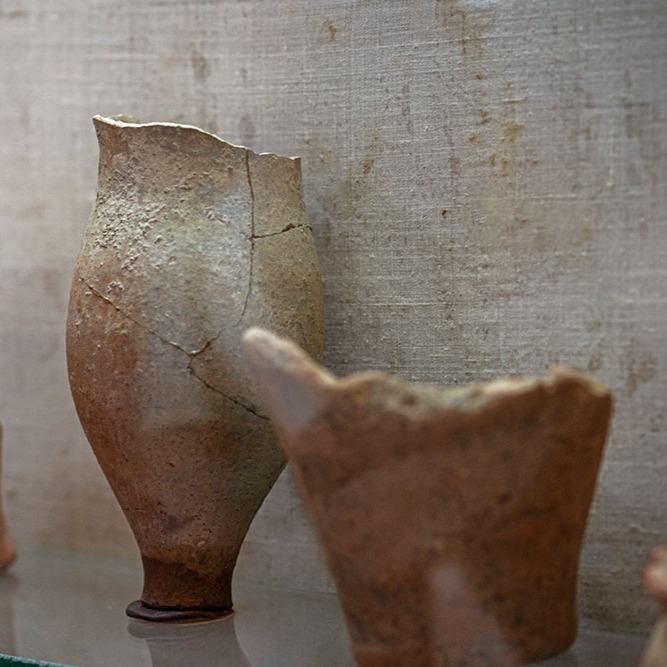
Start the day with an early heritage walk through the old quarters of Ahmedabad, where you’ll see the charming pols, traditional residential clusters adorned with beautiful wooden facades. After the walk, drive to Lothal, an ancient Harappan city that offers fascinating insights into the advanced town planning of the Indus Valley Civilization. Here, explore the site’s museum and the ruins that still showcase remarkable architectural prowess and urban organization. In the afternoon, proceed to Palitana, arriving at Vijay Vilas Heritage Hotel in Adpur village for a relaxing stay.
Day 4: Palitana
Today, you’ll embark on a journey to Shatrunjaya Hill, one of the most sacred Jain pilgrimage sites. This hilltop complex houses over 863 temples, all intricately carved and situated across two ridges. The panoramic views of the surrounding landscape, combined with the tranquil atmosphere, make this a spiritually enriching experience. After exploring the temples, enjoy a peaceful evening and relax at Vijay Vilas Palace.
Day 5: Palitana to Gondal
After an early breakfast, drive to Gondal, known for its impressive royal heritage. Visit the Naulakha Palace, built in the 1740s, where you can admire the fine carvings and antique collections that reflect the opulence of Gondal’s royal family. Spend the night at the Riverside Palace or Orchard Palace, both offering a serene and comfortable stay with a taste of royal grandeur.
Day 6: Gondal to Junagadh
Enjoy a day trip to Junagadh, where you’ll discover the ancient Uparkot Fort, a historic site dating back to the 4th century. Explore the Gothic palaces of the Nawabs and the 19th-century mausoleum complex, both showcasing splendid architectural styles. In the afternoon, take the ropeway to the Girnar Temples, a set of Jain temples perched atop the Girnar Hills. On the way back, stop at Khambalida to visit ancient Buddhist caves dating back to the 4th century. Return to Gondal in the evening.
Day 7: Gondal to Dholavira
After breakfast, drive to Dholavira, a remote yet significant site of the Harappan Civilization, located in the Kutch region. Dholavira is known for its well-preserved ruins, including advanced city planning and water conservation systems. While in Dholavira, stay at the Dholavira Tourism Resort, a comfortable retreat amidst the stark beauty of the salt desert.
Day 8: Dholavira
Begin the day with a guided tour of Dholavira, exploring the Harappan-era excavations that reveal the resilience and sophistication of the civilization. The city’s impressive water management techniques, such as connected reservoirs and drainage systems, demonstrate the ingenuity of the inhabitants. The site’s advanced urban planning and craftsmanship are truly remarkable. After an in-depth exploration, drive to the Little Rann of Kutch, a vast, semi-arid area known for its salt pans and wildlife. Stay at Rann Riders Resort in Dasada for the night.
Day 9: Kutch to Balaram
After breakfast, visit the 11th-century Sun Temple of Modhera, a remarkable example of Hindu temple architecture in Gujarat. The temple is dedicated to the sun god and is famous for its intricately carved stepwell and ornate pillars. From Modhera, head to Patan to see the Rani Ki Vav, an exquisite stepwell built in the 11th century, known for its stunning architectural detail and symbolism. Continue to Balaram and stay at the Balaram Palace Resort, where you can unwind amidst royal surroundings.
Day 10: Balaram to Ahmedabad
In the morning, drive to visit the 12th-century Taranga Jain Temples, known for their artistic carvings and historical significance. From there, continue to Vadnagar, an ancient town with many historical buildings and temples. Afterward, return to Ahmedabad, where you can relax for the evening.
Day 11: Ahmedabad to Champaner-Pavagadh
Start your day with a drive to Champaner-Pavagadh Archaeological Park, a UNESCO World Heritage Site known for its Indo-Saracenic architecture. The park houses several ancient temples, mosques, and fortifications, representing the fusion of Hindu and Islamic architectural styles. On the way, stop to explore the palaces of Vadodara, which offer a glimpse into the region’s royal heritage. Stay at a heritage home in Jambugodha for the night.
Day 12: Departure
After breakfast, drive back to Ahmedabad or Vadodara for your onward flight, marking the end of this enriching cultural journey across Gujarat.

Traveling across Gujarat is both comfortable and scenic, thanks to a network of well-maintained roads connecting major cultural, historical, and wildlife destinations. While some journeys—such as those between Ahmedabad, Palitana, and Dholavira—can take 5–7 hours, having a private vehicle with an experienced driver ensures a smooth and flexible travel experience.
Best Time to Visit Gujarat
The ideal time to explore Gujarat is from October to March, when the weather is dry and pleasant. Expect daytime temperatures between 20°C–30°C, with cooler nights, especially in desert regions like Dholavira and Balaram.
Where to Stay in Gujarat
Accommodations range from heritage hotels and palace stays to eco-resorts that reflect the state’s cultural richness. While cities offer modern amenities, remote locations like Little Rann of Kutch or Dholavira may have basic but clean and safe lodging options.
Connectivity & Essentials
Mobile connectivity is reliable in urban areas like Ahmedabad, Gondal, and Vadodara, but may be limited in rural or wildlife zones.
Carry essential medications, use bottled or purified water, and follow good hygiene practices throughout your journey.
Pack comfortable walking shoes, layered clothing for varying temperatures, sun protection, a flashlight, and camera or binoculars for wildlife and architectural photography.
Responsible Travel in Gujarat
Respect local customs, especially in temples and pilgrimage sites like Palitana and Girnar.
Always ask permission before photographing locals or inside sacred areas.
Support local artisans by purchasing handicrafts and handloom products.
Minimize plastic waste—carry a refillable water bottle and eco-friendly products.
This practical guide ensures your Gujarat tour is comfortable, culturally respectful, and environmentally conscious, whether you’re exploring UNESCO sites, desert landscapes, or sacred temples.