The Itinerary 06 Nights with Gangtey
Duration: 6 Nights / 7 Days
Route: Kathmandu – Paro – Thimphu – Punakha – Paro
Bhutan: The Last Shangri-La – A Hidden Himalayan Treasure
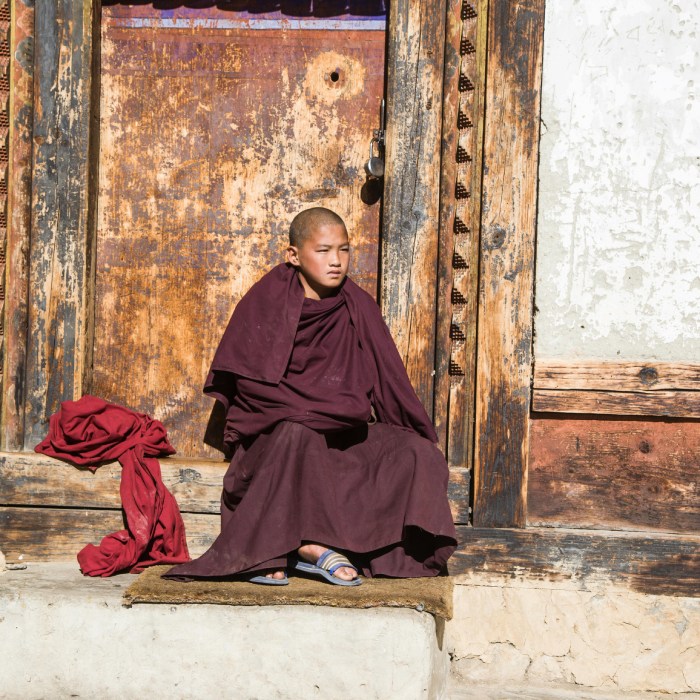
Bhutan, often referred to as the Last Shangri-La, remains one of the most enchanting and unspoiled destinations in the Himalayas. Nestled between towering mountain ranges, Bhutan’s geographic isolation helped preserve its ancient traditions, rich Buddhist culture, and deep spiritual heritage. The country follows the Drukpa Kagyupa school of Mahayana Buddhism, which forms the heart of its cultural identity and peaceful way of life.
For centuries, Bhutan chose a path of guarded seclusion, allowing its pristine landscapes, vibrant traditions, and unique national identity to thrive untouched by outside influence. Today, travelers from across the world come to experience this rare and harmonious blend of natural beauty, spiritual depth, and architectural marvels.
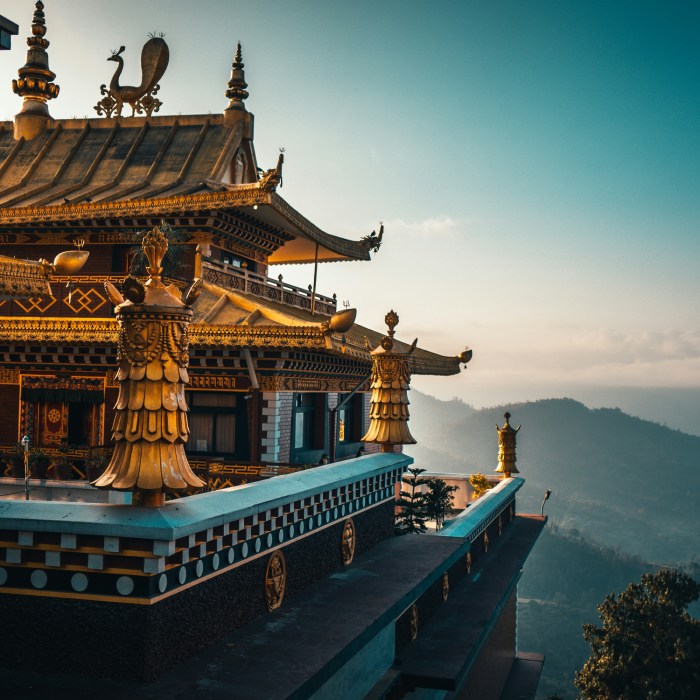
This Himalayan kingdom is a land of dramatic terrains, where rugged mountains, dense forests, and serene valleys meet. Visitors are captivated by its majestic dzongs (fortresses), centuries-old monasteries, fluttering prayer flags, cascading waterfalls, and wildlife-rich forests. Every village and mountain pass tells a story, reflected in the colorful traditions, smiling locals, and vibrant festivals. With its commitment to sustainable tourism, Bhutan offers a truly authentic and eco-friendly travel experience.
Bhutan Travel Essentials: Quick Facts
Land Area: 38,394 sq. km
Forest Cover: 72%
Altitude: Ranges from 240m to 7,570m above sea level
Population: Approx. 755,000
Official Language: Dzongkha (English widely spoken)
Religion: Vajrayana Buddhism (Tantric Mahayana)
Currency: Ngultrum (par with Indian Rupee)
Capital: Thimphu
National Tree: Cypress
National Flower: Blue Poppy
National Bird: Raven
National Animal: Takin
National Sport: Archery
Local Time: GMT +6
Day 01: Arrive in Paro and Transfer to Thimphu (55 km / approx. 1.5-hour drive)
Begin your Bhutan adventure with a spectacular flight into Paro International Airport, offering stunning aerial views of the Himalayas, including Everest and Kanchenjunga. Upon arrival, breathe in the fresh mountain air and complete immigration formalities. You will be welcomed with a traditional “tashi khaddar” scarf greeting and transferred by road to Thimphu, Bhutan’s charming capital.
En route, admire the historic Tamchog Lhakhang, built by the great engineer-saint Thangtong Gyalpo, known for his pioneering iron chain bridges. Experience a walk on the traditionally restored iron bridge before continuing to Thimphu.
After hotel check-in, begin your Thimphu sightseeing with a visit to the National Memorial Chorten, a revered site of daily worship. Later, enjoy a walking tour of Thimphu’s main street, including the vibrant Ka Ja Throm market—a perfect fusion of modern Bhutanese culture, handicrafts, and local cuisine.
Overnight in Thimphu (Altitude: 2,320m)
Day 02: Explore Thimphu and Nature Walk to Changangkha Lhakhang
Start the day with a visit to Buddha Dordenma, a massive 51.5-meter statue of Shakyamuni Buddha overlooking the Thimphu Valley. This spiritual site houses 125,000 miniature Buddhas and exudes a serene energy perfect for meditation.
From Buddha Point, embark on a scenic nature trail to Changangkha Lhakhang. Surrounded by fluttering prayer flags, pine forests, and rhododendrons, the easy 1.5-hour walk offers spiritual ambiance and panoramic views. Explore the 12th-century temple and receive blessings for children from the protector deity Tamdrin.
Visit the Zilukha Nunnery (Drubthob Goema), Bhutan’s only capital-based nunnery, with stunning views over Trashichhoedzong. Meet the devoted nuns and witness their simple monastic life.
After lunch, visit the National Institute for Zorig Chusum (Arts and Crafts School) and the Folk Heritage Museum to gain insight into Bhutan’s traditional lifestyle. Conclude with a visit to Trashichhoedzong, the grand fortress housing Bhutan’s government and spiritual leadership.
Overnight in Thimphu
Day 03: Thimphu to Gangtey (150 km / approx. 5-hour drive)
Drive to Gangtey via the scenic Dochula Pass (3,088m), adorned with 108 chortens and panoramic Himalayan views. On a clear day, see Bhutan’s highest peak, Gangkar Puensum (7,570m).
Descend through beautiful forests of rhododendron and oak before reaching Gangtey Valley, also known as Phobjikha. This picturesque glacial valley is famous for its winter visitors, the endangered black-necked cranes.
Visit Gangtey Goempa, a significant monastery under the Nyingma tradition and home to the 9th reincarnation of Pema Lingpa.
Overnight in Gangtey (Altitude: 3,000m)
Day 04: Gangtey to Punakha (70 km / approx. 3-hour drive)
Drive to Punakha, the former winter capital, blessed with fertile valleys and the scenic confluence of Pho Chhu and Mo Chhu rivers.
En route, stop at Wangduephodrang Dzong, a historic fortress rebuilt in 2022 after a devastating fire. Continue to Punakha Dzong, a majestic riverside fortress known for its exquisite woodwork and spiritual significance.
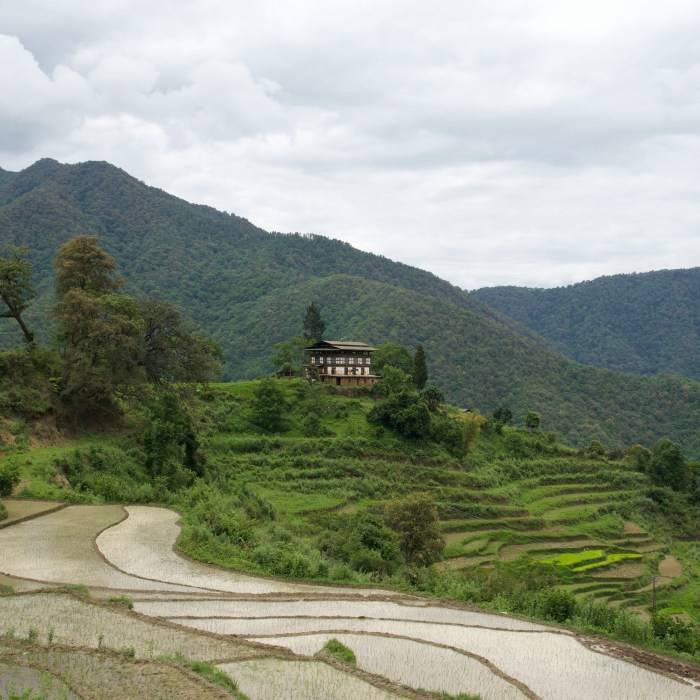
Later, hike through rice fields to Chimi Lhakhang, the Temple of Fertility, revered by couples seeking blessings.
Overnight in Punakha (Altitude: 1,300m)
Day 05: Punakha to Paro (125 km / approx. 4.5-hour drive)
Retrace your route via Dochula Pass and stop at Simtokha Dzong, Bhutan’s oldest dzong built in 1629. Its prayer wheels and slate carvings are iconic.
Arrive in Paro, a scenic valley rich in Bhutanese heritage. Visit Ta Dzong (National Museum) and Rinpung Dzong, known for its architectural elegance and religious murals.
Overnight in Paro (Altitude: 2,280m)
Day 06: Paro Sightseeing and Tiger’s Nest Hike
After breakfast, hike to Taktsang Monastery (Tiger’s Nest), Bhutan’s most iconic site perched on a cliff 900m above the Paro Valley. This sacred site, where Guru Rinpoche meditated, is a highlight of any Bhutan tour.
Later, visit the reconstructed Drukgyel Dzong and Kyichu Lhakhang, one of Bhutan’s oldest temples from the 7th century.
Spend your evening exploring Paro town, home to quaint shops and local crafts.
Overnight in Paro
Day 07: Departure from Paro
After breakfast, transfer to Paro International Airport for your onward flight. Depart with cherished memories of Bhutan’s landscapes, spirituality, and cultural richness.
Best Time to Visit Bhutan, Travel Tips & Key Monument Timings
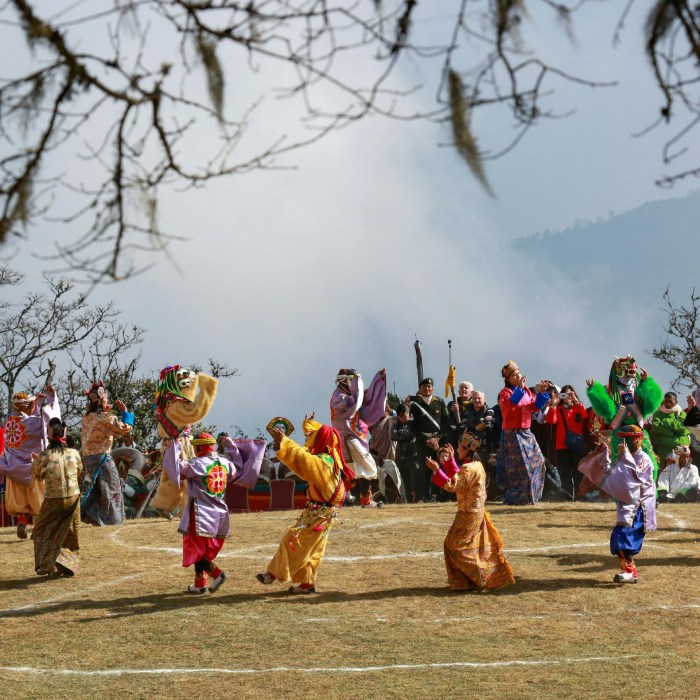
The best time to visit Bhutan is during spring (March to May) and autumn (September to November), when the weather is mild, skies are crystal clear, and vibrant cultural festivals like Paro Tshechu and Thimphu Tshechu are in full swing. These seasons offer ideal conditions for trekking, sightseeing, and photography.
International travelers typically arrive via Paro International Airport, Bhutan’s sole international gateway. While most travel within the country is by road, the scenic drives are a highlight in themselves. Indian citizens do not require a visa but must obtain an Entry Permit and, for certain regions, a Route Permit.
Travel Essentials for Bhutan:
Pack comfortable walking shoes, layered clothing to adapt to the changing mountain climate, and modest attire for visits to monasteries and temples. A rain jacket, hat, and sunblock are also highly recommended.
Bhutan’s Sustainable Tourism Policy:
Bhutan follows a unique “High Value, Low Volume” tourism policy, ensuring preservation of its pristine environment and rich culture. With over 70% forest cover, dramatic Himalayan landscapes, and sacred sites, the country is a haven for wildlife lovers, hikers, and cultural explorers. National parks such as Jigme Singye Wangchuck and Jigme Dorji offer chances to spot red pandas, Himalayan blue sheep, and even the elusive snow leopard. The country’s ban on plastic bags further reinforces its commitment to eco-friendly travel.
Important Monument Timings (As per Bhutan Itinerary):
Ka Ja Thorm, Thimphu: Monday–Sunday, 6:00 AM – 8:00 PM (Closed Tuesdays)
Buddha Dordenma (Buddha Point): Daily, 9:00 AM – 5:00 PM
Folk Heritage Museum, Thimphu:
Mon–Fri: 10:00 AM – 4:30 PM
Sat: 10:30 AM – 1:00 PM
Sun: 11:30 AM – 3:30 PM (Closed on National Holidays)
Institute for Zorig Chusum (Arts & Crafts School):
Mon–Fri: 2:00 PM – 4:00 PM
Closed: Sat–Sun, National & Winter Holidays (Dec 20 – Mar 10)
Punakha Dzong:
Summer: 9:00 AM – 1:00 PM & 3:00 PM – 5:00 PM
Winter: 11:00 AM – 1:00 PM & 3:00 PM – 5:00 PM
Ta Dzong (National Museum), Paro:
Summer: 9:00 AM – 5:00 PM
Winter: 9:00 AM – 4:00 PM (Closed on National Holidays)
Rinpung Dzong, Paro:
Summer: 8:00 AM – 6:00 PM
Winter: 8:00 AM – 4:30 PM
Taktshang Monastery (Tiger’s Nest):
Daily: 8:00 AM – 1:00 PM & 2:00 PM – 6:00 PM